March 17, 2026
Why Belonging Matters in Kindergarten
In kindergarten and the elementary school years, learning is about much more than letters and numbers. It’s also about making connections. Students learn to build friendships, work together, and find their voice. These are foundational skills that, when built early, compound over time.
Research from the American Psychological Association describes school connectedness as students feeling cared for, supported, and valued within their school community. The CDC has similarly found that students who feel connected to school are more likely to engage academically, persist through challenges, and experience positive long-term outcomes.
But school connectedness doesn’t just happen. It takes thoughtful classroom planning to help students build the skills that create belonging.
Kindergarten at Home, Without Losing Community
In early grades, connection shapes confidence. When students feel seen and supported, they’re more willing to raise their hand, ask questions, and try something new.
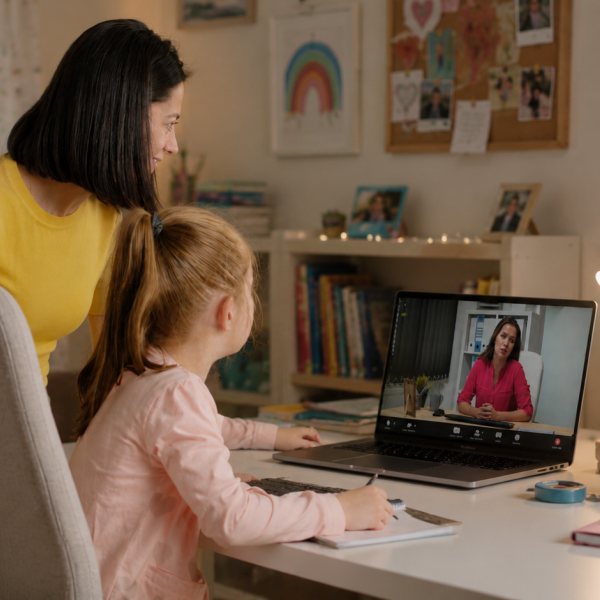
At New Code Academy, connection is intentional. Small-group activities, partner projects, regular teacher check-ins, and consistent community routines are part of the daily rhythm. Students aren’t just logging in. They’re participating, collaborating, and building relationships.
One parent shared:
“Both of my kids are more excited about going to school and are more engaged in learning. They are more confident in advocating for themselves and problem-solving. We love having the structure and social interactions of public school, but with more flexibility to accommodate their different needs.”
For families exploring kindergarten enrollment, learning at home often raises practical questions. Can my child still build friendships? Will they learn how to work with others? Is online kindergarten a real social experience?
The answer lies in how connection is built.
Belonging Builds Self-Esteem
Many families worry it may be harder for students to build friendships in an online elementary school. The good news is that meaningful relationships don’t depend on sharing the same physical space. Belonging is built through thoughtful routines and shared experiences that help students feel safe and valued for who they are.
Here’s what that can look like in a virtual classroom:
Small groups are one of the most powerful tools teachers use to help students build connections. Sometimes, students who want additional practice are placed in small groups where they can slow down, ask questions, and work through problems together, step by step . It’s affirming for students to work through complex problems and find solutions as a team.
At New Code Academy, these benefits are often strengthened through our multi-age classroom model, where students from nearby grade levels learn together. Younger students learn from older peers, while older students deepen their understanding by helping and mentoring others.
This type of intentional grouping supports all learners, whether they need enrichment, additional practice, or simply a structured space to think aloud. Every child is capable of thriving when the environment is designed to meet their needs.
One family described their experience this way:
“Each of these teachers have gone out of their way above and beyond to make sure the needs of my kids were being met. My 2nd grader especially has blossomed with her amazing teaching team and has become a confident student, friend, and peer.”
When students feel supported emotionally, they show up differently academically. They persist longer. They attempt harder work. They ask better questions. They are more willing to admit when they need help because they know encouragement is built into their day.
Connection Supports Academic Risk-Taking
We don’t often use the word “risk” when talking about elementary students. Families spend plenty of time teaching children how to avoid risky behavior. But in academics, taking small risks is essential to growth. What it really means is giving students opportunities to be brave and helping them take that small step by providing safe places to try something new.
In kindergarten, a brave step may look like volunteering to share during the morning meeting. In second grade, it might mean attempting a challenging writing assignment. In fifth grade, it could mean speaking up during a coding project or asking for clarification on a complex topic.
When children feel safe enough to take small academic risks, whether that’s speaking up when they’d rather stay quiet or sharing a different opinion, they build lasting confidence.
One elementary parent reflected:
“We are incredibly grateful to New Code Academy for its positive impact on our son. Since joining the school, we have seen remarkable growth in his confidence and behavior. The nurturing environment and dedicated teachers have helped our child feel supported and valued, encouraging him to step out of his comfort zone and embrace new challenges. The focus on character development and fostering a sense of responsibility has dramatically improved his behavior at school and home.”
Connection compounds. When students feel safe and valued in their learning environments, their growth continues into later grades.
A high school parent shared:
“My son has continued to achieve excellent grades and has a 4.0. He has learned to make a schedule and not miss deadlines. If he cannot meet a deadline, he is able to advocate for himself and ask for accommodations based on his IEP.”
Self-advocacy does not suddenly appear in high school. It begins in environments where students feel safe enough to speak, and grows steadily through the elementary years. That’s why belonging matters, starting in kindergarten.